Exploring Biocompatibility in Medical Plastics Machining for Enhanced Patient Safety
Understanding Biocompatibility in Medical Plastics
What is Biocompatibility?
Biocompatibility refers to the ability of a material to interact with biological systems without eliciting an adverse response. This characteristic is crucial in the medical field, especially when designing devices that come into direct contact with the human body. Medical plastics must meet stringent criteria for biocompatibility to ensure patient safety and device efficacy. Various testing methods exist to assess biocompatibility, including cytotoxicity tests, sensitization tests, and irritation tests, which evaluate how materials react in biological environments. The selection of suitable biocompatible plastics is vital for preventing complications such as inflammation, toxicity, or rejection by the body.
Importance of Biocompatibility in Medical Devices
Biocompatibility plays a pivotal role in the performance and safety of medical devices. Devices such as implants, catheters, and surgical instruments require materials that minimize risks associated with bodily reactions. The choice of medical-grade plastics with proven biocompatibility ensures that devices can perform their intended functions without causing harm. For instance, materials like polyetheretherketone (PEEK) and polylactic acid (PLA) offer excellent biocompatibility and mechanical properties, making them ideal for various applications. Prioritizing biocompatibility not only enhances patient safety but also fosters trust in medical technologies, ultimately leading to better patient outcomes.
Regulatory Standards for Biocompatible Materials
Regulatory bodies such as the FDA establish rigorous standards for biocompatible materials used in medical devices. Manufacturers must adhere to guidelines outlined in ISO 10993, which provides a framework for evaluating the biocompatibility of medical devices. This standard encompasses a series of tests to assess potential biological risks, ensuring that materials meet necessary safety thresholds. Compliance with these regulations is not just a legal obligation; it is a commitment to patient safety and product reliability. Manufacturers must document their compliance, presenting evidence that their materials meet or exceed established biocompatibility standards.
The Role of Medical Plastics Machining in Patient Safety
Overview of Medical Plastics Machining
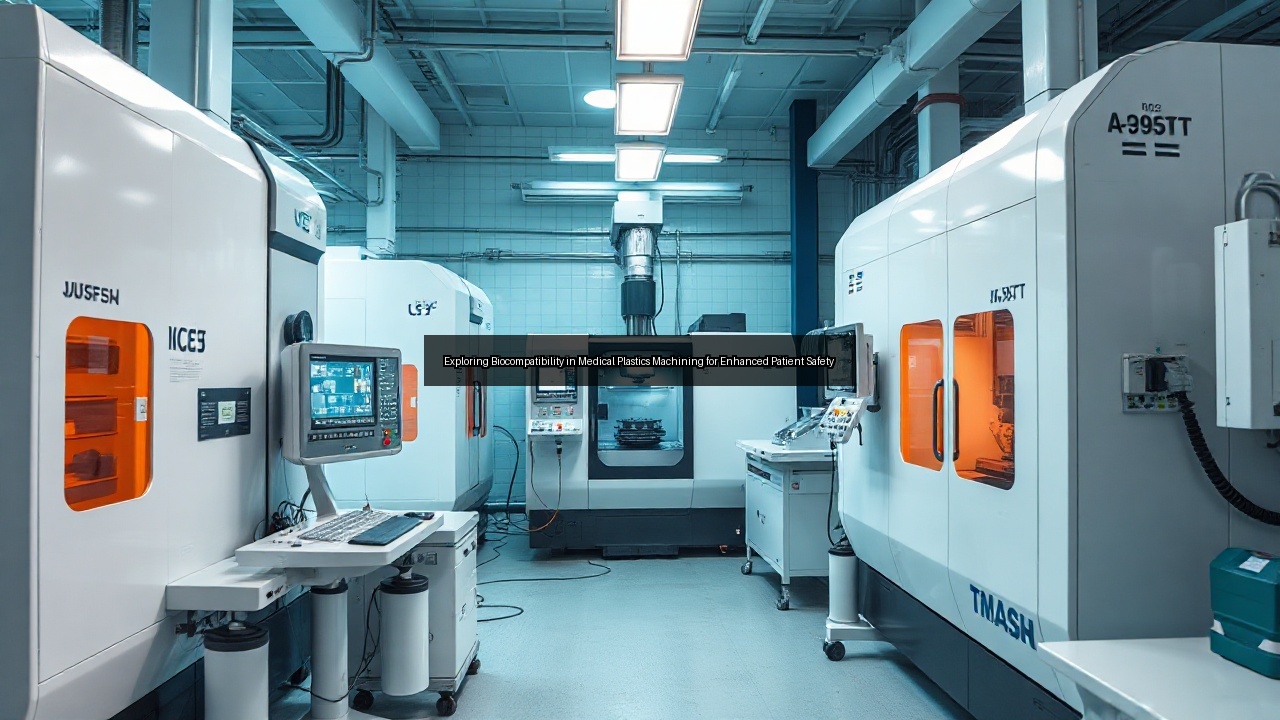
Medical plastics machining encompasses various processes aimed at producing high-precision components for medical devices. This includes methods such as CNC machining and injection molding, which transform raw medical-grade plastics into finished products. Machining processes allow for intricate designs and tight tolerances, critical for devices that require exact specifications. The ability to produce near-net shapes from thermoplastics enhances efficiency while minimizing waste, making this process both cost-effective and environmentally friendly. The expertise in machining and the selection of appropriate materials directly impact the quality and reliability of medical devices, ultimately influencing patient safety.
Types of Medical Grade Plastics Used
Medical-grade plastics are specifically engineered to meet the stringent requirements of the healthcare sector. Common materials include polycarbonate, polyethylene, and polyvinyl chloride (PVC), each offering unique properties suited for different applications. For example, polycarbonate is favored for its clarity and impact resistance, making it ideal for medical devices that require visibility. High-performance plastics, such as PEEK and Ultem, provide superior mechanical strength and thermal stability, essential for demanding environments. The choice of material influences the overall performance of medical devices, impacting factors like durability, sterilization compatibility, and biocompatibility.
CNC Machining vs. Injection Molding for Medical Applications
CNC machining and injection molding represent two primary methods for producing medical plastic components, each with distinct advantages. CNC machining offers unparalleled precision and flexibility, allowing manufacturers to create complex geometries and custom parts from solid thermoplastic stock. This method excels in low-volume production runs where precision and detail are paramount. In contrast, injection molding is more suitable for high-volume production, delivering consistent quality and efficiency. It allows for rapid production of intricate shapes with minimal waste. The choice between these methods depends on factors such as production volume, design complexity, and material properties, underscoring the importance of selecting the right technique for specific medical applications.
Manufacturing Processes and Their Impact on Quality
Extrusion and Its Role in Producing Near Net Shapes
Extrusion is a critical manufacturing process in medical plastics machining, particularly for creating continuous lengths of plastic profiles or tubes. This technique involves forcing heated thermoplastic materials through a die, resulting in uniform shapes. The extrusion process facilitates the production of near-net shapes, reducing the need for extensive machining post-production. This efficiency not only minimizes waste but also speeds up the manufacturing timeline, which is crucial in the fast-paced medical sector. Utilizing extrusion allows manufacturers to maintain tight tolerances and high-quality standards, essential for ensuring the safety and reliability of medical devices.
High Performance Plastics: Properties and Applications
High-performance plastics, such as PEEK, polyimide, and PTFE, stand out in the realm of medical plastics machining due to their superior properties. These materials exhibit exceptional strength, chemical resistance, and thermal stability, making them ideal for demanding medical applications. PEEK, for instance, is often used in spinal implants and surgical instruments, as it can withstand harsh sterilization processes while maintaining its integrity. The versatility and robustness of high-performance plastics enable manufacturers to meet the evolving needs of the medical industry, pushing the boundaries of what is possible in device design and functionality.
Quality Control Standards in Medical Plastics Manufacturing
Quality control is paramount in medical plastics manufacturing, where even minor defects can have serious implications for patient safety. Manufacturers must implement strict quality control measures, adhering to industry standards such as ISO 13485, which outlines requirements for a quality management system specific to medical devices. This includes rigorous testing and inspection processes at various stages of production to identify and rectify potential issues. Employing advanced technologies such as automated inspection systems enhances accuracy and efficiency in quality control, ensuring that all medical plastic components meet stringent tolerances and regulatory requirements.
Future Trends in Medical Plastics Machining
Innovations in Materials and Techniques
The future of medical plastics machining promises exciting innovations in both materials and techniques. Researchers are actively exploring bioresorbable plastics that can safely dissolve in the body after fulfilling their function, reducing the need for additional surgeries. Advances in 3D printing technologies also offer new possibilities for rapid prototyping and customization of medical devices. These innovations can lead to personalized solutions tailored to individual patient needs, enhancing overall treatment efficacy. Staying ahead of these trends is crucial for manufacturers aiming to maintain a competitive edge in the dynamic medical landscape.
The Impact of Sterilization Processes on Machined Components
Sterilization processes significantly impact the performance and integrity of machined medical components. Methods such as autoclaving, ethylene oxide gas sterilization, and radiation must be compatible with the materials used in production. Each sterilization method can alter the physical properties of plastics, affecting strength, flexibility, and biocompatibility. Manufacturers must carefully consider the chosen sterilization technique during the design and machining phase to ensure that the final product remains effective and safe for patient use. Understanding the interaction between materials and sterilization processes is vital for achieving high-quality medical devices.
Case Studies: Successful Applications of Medical Plastics Machining
Numerous case studies illustrate the successful application of medical plastics machining in real-world scenarios. For instance, the development of precision machined components for orthopedic implants has revolutionized surgical procedures, allowing for improved fit and functionality. Another example includes the use of CNC machined components in infusion pumps, where accuracy and reliability are critical for patient care. These case studies highlight the diverse applications of medical plastics machining and emphasize the importance of innovation and quality in creating effective medical devices. Such success stories reinforce the value of investing in advanced machining technologies and biocompatible materials.