How Technology is Revolutionizing Machined Plastic Manufacturing
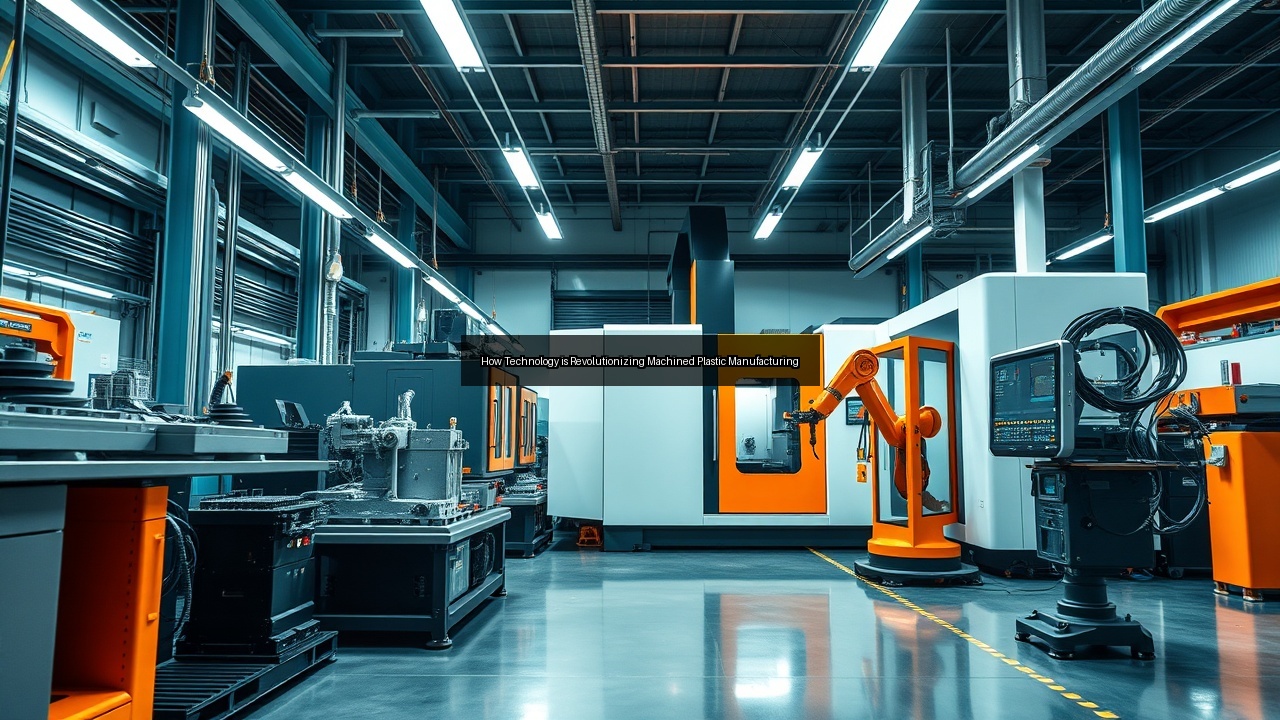
The Impact of Technology on Machined Plastic Manufacturing
Overview of CNC Machinery in Plastic Fabrication
CNC machinery stands at the forefront of modern plastic fabrication, revolutionizing the production of machined plastic components. Computer Numerical Control (CNC) machines automate the cutting, shaping, and finishing processes, resulting in high precision and consistency. These machines utilize intricate programming to execute complex designs that would be nearly impossible with manual machining. The ability to produce plastic machined components with exact specifications significantly reduces waste, increases efficiency, and allows for the rapid production of prototypes and final products alike.
Manufacturers leverage CNC technology to create a variety of engineering plastics, such as nylon, polycarbonate, and acetal, which offer superior mechanical properties and thermal stability. These materials are essential for applications ranging from automotive parts to medical devices. The evolution of CNC machining has enabled companies to meet the growing demand for customized plastic components while maintaining strict quality standards. The integration of advanced software with CNC machinery enhances the design capabilities, allowing machinists to visualize and modify their projects in real time, which streamlines the entire production process.
Advancements in CNC Machining Techniques
Recent advancements in CNC machining techniques have dramatically impacted the production of machined plastic components. Innovations such as multi-axis machining allow for more intricate designs and complex geometries, making it possible to produce parts that were once deemed unfeasible. Four-axis and five-axis CNC machines provide manufacturers with the flexibility to create parts with multiple facets and angles, reducing the need for re-fixturing and accelerating production times.
Additionally, the integration of adaptive machining technology enables CNC machines to cnc machined plastic parts automatically adjust parameters such as feed rates and cutting speeds based on real-time feedback from sensors. This adaptability not only enhances the efficiency of the machining process but also improves the overall quality of the finished product. Techniques such as high-speed machining (HSM) further refine the process by allowing for quicker cuts without sacrificing precision. These advancements empower manufacturers to produce plastic machined parts that meet increasingly stringent tolerances and specifications, catering to a diverse array of industries.
The Role of Engineering Plastics in Modern Manufacturing
Engineering plastics play a crucial role in the landscape of modern manufacturing, particularly in the production of machined plastic components. Unlike standard plastics, engineering plastics offer enhanced mechanical properties, including strength, durability, and resistance to heat and chemicals. Materials such as PEEK (polyether ether ketone), PTFE (polytetrafluoroethylene), and polycarbonate are commonly used due to their superior performance in demanding applications.
The versatility of engineering plastics allows manufacturers to tailor the properties of machined plastic parts to meet specific requirements. For instance, using glass-filled nylon can significantly increase the strength of components used in automotive applications, while the low-friction characteristics of PTFE make it ideal for bearings and seals. The ongoing development of new engineering plastics continues to expand the possibilities for manufacturers, enabling them to innovate and create more efficient and durable products. Furthermore, the ability to precisely machine these materials using CNC technology results in components that are not only functional but also aesthetically pleasing, enhancing their appeal in consumer markets.
Innovations in CNC Machining for Machined Plastic Components
Precision in Dimensions and Tolerances
Precision machining is a hallmark of CNC technology, allowing manufacturers to create machined plastic components with exceptional accuracy in dimensions and tolerances. Achieving tight tolerances is vital for ensuring that parts fit together seamlessly and function correctly within larger assemblies. CNC machines can consistently produce parts with tolerances as tight as ±0.001 inches, which is essential for industries like aerospace and medical devices, where even the slightest deviation can lead to failure.
The capability to maintain such precision hinges on the quality of the CNC machinery, tooling, and the programming used during the machining process. High-quality cutting tools, combined with effective toolpath strategies, minimize errors and enhance the overall quality of the machined plastic parts. Additionally, advanced measurement systems integrated into the CNC process allow for real-time monitoring of dimensions, enabling immediate adjustments to maintain accuracy. This level of precision not only boosts the reliability of machined components but also reduces the need for extensive secondary operations, further streamlining production.
Batch Production vs. Custom Machining
In the realm of machined plastic components, understanding the difference between batch production and custom machining is crucial for manufacturers. Batch production involves creating large quantities of identical parts, which is often more cost-effective and efficient due to economies of scale. CNC machining excels in this area, as it can quickly replicate designs with minimal setup time. This approach suits industries where high-volume production is necessary, such as consumer goods and automotive components.
Surface Finishing and Treatment Techniques
Surface finishing and treatment techniques significantly enhance the performance and aesthetics of machined plastic components. The finishing process involves various methods that improve the surface texture, remove imperfections, and enhance the overall appearance. Techniques like bead blasting, polishing, and chemical smoothing can transform the surface properties of machined plastic parts, making them more appealing and functional.
Surface treatments, such as painting or coating, add an additional layer of protection against environmental factors and wear. These treatments can improve the chemical resistance of machined components, ensuring longevity in demanding applications. Manufacturers often select specific finishing techniques based on the intended use of the plastic components, balancing aesthetics with functionality. Advances in surface treatment technologies, such as laser etching and UV coatings, have expanded the options available for enhancing machined plastic parts, allowing for greater customization and performance optimization.
The Future of Machined Plastic Components
Integration of Robotics in Manufacturing Processes
The integration of robotics into manufacturing processes marks a significant advancement in the production of machined plastic components. Robots enhance efficiency by automating repetitive tasks, such as loading and unloading materials, which allows machinists to focus on more complex operations. This automation leads to increased productivity and reduced labor costs, making the manufacturing process more streamlined.
Collaborative robots, or cobots, work alongside human operators, providing assistance in tasks that require precision and machined plastic part consistency. These robots can adapt to various machining environments, making them ideal for small to medium-sized manufacturers looking to maximize output without sacrificing quality. The synergy between CNC machinery and robotics not only accelerates production cycles but also improves workplace safety by reducing the risk of injuries associated with manual handling of heavy materials. As technology continues to evolve, the incorporation of robotics will become even more prevalent, driving the future of machined plastic components toward greater efficiency and innovation.
Sustainability and the Use of Composites
Sustainability increasingly influences manufacturing processes, particularly in the realm of machined plastic components. Companies prioritize eco-friendly practices and materials, leading to a growing interest in composites and biodegradable plastics. Composites, which combine two or more materials to enhance performance, offer manufacturers opportunities to create lighter, stronger, and more sustainable products.
Using renewable resources in the production of plastic components not only reduces environmental impact but also meets consumer demand for greener products. Innovations in bioplastics and recycled materials are paving the way for sustainable manufacturing practices. Manufacturers that adopt these materials benefit from enhancing their brand image while contributing to environmental conservation. As sustainability becomes a focal point in manufacturing, the use of composites and eco-friendly materials will likely shape the future of machined plastic components significantly.
Challenges and Opportunities for Manufacturers
The cnc machined plastic parts landscape of machined plastic components presents both challenges and opportunities for manufacturers. One major challenge lies in the rapid pace of technological advancement. Companies must continually invest in the latest CNC machinery and training to keep up with industry standards and customer expectations. Failure to adapt can lead to obsolescence in a competitive market.
However, these challenges also present opportunities for growth and innovation. Manufacturers that embrace new technologies, such as AI-driven CNC systems or advanced material formulations, can differentiate themselves from competitors and capture new market segments. By investing in R&D, companies can explore novel applications for machined plastic components, catering to emerging industries like renewable energy and medical technology. The future holds immense potential for manufacturers willing to navigate challenges and leverage technology to their advantage.
See Also
- Reducing Waste in Plastic Machining: Eco-Friendly Practices
- A Guide to Selecting the Right Manufacturer for Machined Plastic Parts
- The Rise of Composite Materials in Machined Plastic Components
- Common Challenges in Machining Plastics and How to Overcome Them
- The Art and Science of Precision Machining in Plastic Fabrication