Innovative Solutions in Swiss Machining for the Medical Device Industry
The Role of Swiss Machining in the Medical Device Industry
Overview of Swiss Machining
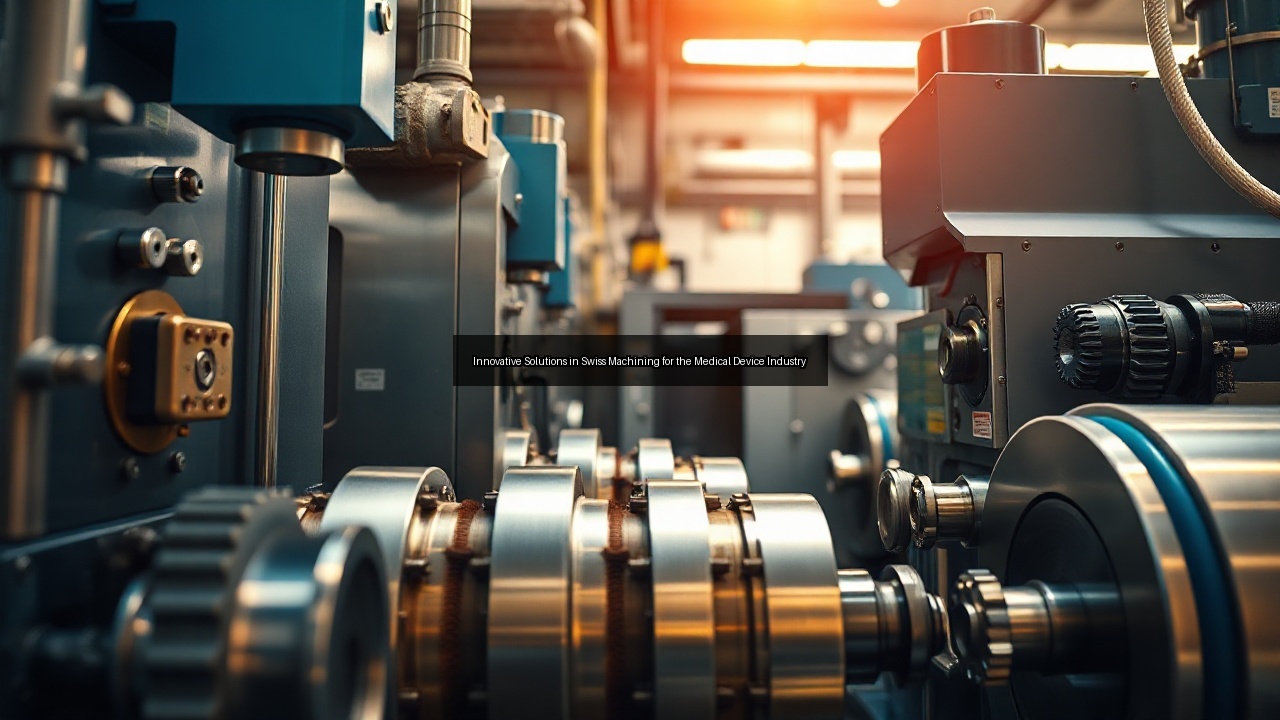
Swiss machining, a precision manufacturing technique originating in Switzerland, specializes in producing high-precision parts with intricate designs. This machining process utilizes advanced CNC technology, enabling the production of components with tight tolerances and complex geometries. Swiss machining services excel in creating small, cylindrical parts, making them particularly valuable in industries where precision is critical, such as the medical device sector. The use of Swiss lathes and screw machines allows manufacturers to create components efficiently, combining speed and accuracy. This capability is essential for the medical field, where devices must meet stringent requirements for performance and reliability.
Advantages of Swiss Machining for Medical Devices
Swiss machining offers several distinct advantages tailored to the medical device industry. First, precision stands out as a core benefit; manufacturers produce components with tolerances as tight as a few microns. This level of accuracy ensures that medical devices function correctly, reducing the risk of failure in critical applications. Additionally, the efficiency of Swiss screw machining minimizes waste during production, leading to cost savings. The ability to automate processes further enhances production speed, allowing manufacturers to meet tight deadlines without sacrificing quality. Moreover, Swiss machining services can accommodate small batch sizes, making it easier for companies to develop prototypes and conduct testing for new medical technologies.
Key Applications in the Medical Field
Swiss machining finds numerous applications within the medical field, particularly in the manufacture of surgical instruments, implants, and diagnostic equipment. Components such as screws, housings, and connectors benefit significantly from Swiss machining techniques, which ensure high levels of precision and repeatability. For instance, orthopedic implants require exact specifications to fit properly within the human body, making the Swiss lathe an ideal tool for producing these components. Furthermore, components produced through Swiss machining are often subject to rigorous quality assurance processes, ensuring compliance with ISO 13485 standards. This adherence to quality not only fulfills regulatory requirements but also enhances patient safety and device performance.
Innovative Techniques and Technologies
CNC Swiss Machining Services
CNC Swiss machining services represent a significant leap forward in manufacturing technology. By employing computer numerical control, manufacturers can program Swiss lathes to produce parts with unparalleled accuracy. This technology allows for the automation of complex machining operations, enabling the production of intricate components with minimal human intervention. CNC systems offer flexibility, allowing for quick adjustments to production runs and easy integration of custom designs. As a result, companies can respond swiftly to market demands while maintaining high standards of quality. The combination of CNC capabilities and Swiss machining techniques ensures manufacturers can deliver superior products that meet the evolving needs of the medical device industry.
Utilizing Swiss Lathes and Screw Machines
Swiss lathes and screw machines play a pivotal role in the machining landscape, particularly for the manufacturing of small, precise components. These machines operate differently than traditional lathes, allowing for the production of parts with high accuracy and speed. The design of Swiss lathes enables continuous material feeding, which reduces cycle times and enhances efficiency. Screw machines, on the other hand, are particularly adept at producing threaded components, a necessity in many medical devices. By leveraging the unique capabilities of these machines, manufacturers can optimize their production processes, resulting in shorter lead times and improved quality. The integration of Swiss machining into machine shops dedicated to medical devices fosters innovation, driving advancements in surgical tools and implant technology.
Integrating Wire EDM and Laser Technologies
The integration of wire EDM (Electrical Discharge Machining) and laser technologies into Swiss machining expands the possibilities for creating complex parts. Wire EDM offers precision cutting capabilities that complement traditional machining methods, allowing for the production of intricate shapes that may be difficult to achieve with standard machining techniques. This method is particularly useful for creating components with complex geometries or tight tolerances. Laser technology further enhances the capability of Swiss machining by providing accurate cutting and engraving options. These advanced techniques enable manufacturers to produce high-quality prototypes and final products with exceptional precision, meeting the stringent requirements often found in the medical device industry. The combination of these innovative technologies positions Swiss machining as a leader in producing advanced medical components.
Quality Assurance and Compliance
ISO 13485 Standards in Medical Device Manufacturing
ISO 13485 standards serve as a critical framework for quality management systems in the medical device industry. Adherence to these standards ensures that manufacturers consistently produce safe and effective medical devices. Companies engaged in Swiss machining services must implement rigorous quality control measures to comply with ISO 13485. This includes maintaining detailed documentation, conducting regular internal audits, and establishing procedures for non-conformance management. Compliance with ISO standards not only demonstrates a commitment to quality but also enhances the credibility of manufacturers in a competitive market. For customers, it offers assurance that the components produced through Swiss machining meet the highest safety and efficacy requirements.
Quality Inspection Processes
Quality inspection processes are integral to Swiss machining services, ensuring that each component meets the necessary specifications before reaching the market. Manufacturers employ various inspection methods, including dimensional checks, visual inspections, and functional testing. Advanced technologies such as coordinate measuring machines (CMM) play a crucial role in verifying the accuracy of machined parts. This thorough inspection process helps identify potential defects early, reducing waste and ensuring that only high-quality components are delivered to clients. Furthermore, the implementation of Statistical Process Control (SPC) helps manufacturers monitor production processes in real-time, allowing for immediate adjustments and continuous improvement efforts.
Ensuring Precision and Speed in Machining Services
Maintaining precision while achieving speed is a defining characteristic of effective Swiss machining services. The unique design of Swiss lathes allows for rapid production without compromising the accuracy of the final product. Manufacturers achieve this balance through careful planning and process optimization, leveraging advanced technologies to streamline workflows. Automation plays a significant custom swiss machining services role in enhancing speed, reducing the reliance on manual labor, and minimizing human error. By investing in high-quality machinery and employing skilled operators, companies can ensure that their Swiss machining services deliver both precision and efficiency, essential for meeting the demands of the fast-paced medical device industry.
Future Trends in Swiss Machining
Emerging Technologies in Machining
The future of Swiss machining looks promising, with various emerging technologies poised to transform the industry. Innovations in materials science, such as biocompatible materials, enhance the capabilities of Swiss machining in producing medical devices. Furthermore, advancements in additive manufacturing techniques offer new avenues for creating complex geometries that traditional machining cannot easily achieve. These technologies allow manufacturers to experiment with new designs and functionalities, pushing the boundaries of what is possible in medical device production. As these technologies evolve, they will likely integrate with existing Swiss machining services, creating a more adaptable and innovative manufacturing landscape.
Sustainability in Swiss Machining Practices
Sustainability increasingly influences Swiss machining practices, prompting manufacturers to adopt environmentally friendly approaches. The focus on reducing waste, conserving energy, and using eco-friendly materials aligns with global efforts to minimize the ecological footprint of manufacturing. Companies are exploring methods such as recycling scrap metal from the machining process and utilizing energy-efficient machinery to reduce their impact on the environment. Implementing sustainable practices not only benefits the planet but also enhances a company's reputation in the marketplace, appealing to a growing demographic of environmentally conscious consumers.
The Impact of Automation on Machining Services
Automation continues to reshape the landscape of Swiss machining services, driving efficiency and reducing operational costs. Robotic systems and automated machinery streamline production processes, enabling manufacturers to maintain high levels of precision while increasing output. The integration of IoT (Internet of Things) technology allows for real-time monitoring of production, facilitating proactive maintenance and minimizing downtime. As automation technologies advance, manufacturers can expect to see improvements in quality control and consistency, further enhancing the reliability of Swiss machining services. Embracing automation positions companies to remain competitive in the ever-evolving medical device industry, meeting the increasing demands for high-quality, precise components.