The Art of Precision CNC Machining for Complex Nonmetallic Components
Understanding CNC Plastic Machining
What is CNC Plastic Machining?
CNC plastic machining refers to the process of using computer numerical custom parts machined from engineering plastics control (CNC) technology to fabricate components from various types of plastics. This technology employs precision machinery capable of executing complex designs with high accuracy. The process typically involves routing, milling, and turning operations to create intricate shapes and features in nonmetallic materials. CNC plastic machining stands out due to its versatility, allowing manufacturers to produce both standard parts and custom components tailored to specific applications. Industries such as aerospace, automotive, and medical rely heavily on CNC machined plastic parts due to their lightweight, durable, and corrosion-resistant properties.
Key Benefits of CNC Machining for Plastics
CNC machining for plastics offers numerous advantages that enhance manufacturing efficiency and product quality. One of the primary benefits is the precision it delivers. CNC machines can execute intricate designs with tolerances as tight as ±0.001 inches, ensuring that every component meets exact specifications. Additionally, CNC plastic machining reduces waste through optimized material usage, contributing to cost-effective production. The ability to rapidly prototype custom plastic parts accelerates the development process, allowing businesses to bring innovative products to market faster. Moreover, CNC machining supports a wide range of engineering plastics, including advanced polymers like ULTEM and PEEK, which are essential for high-performance applications.
Overview of Machining Centers Used in CNC Plastic Fabrication
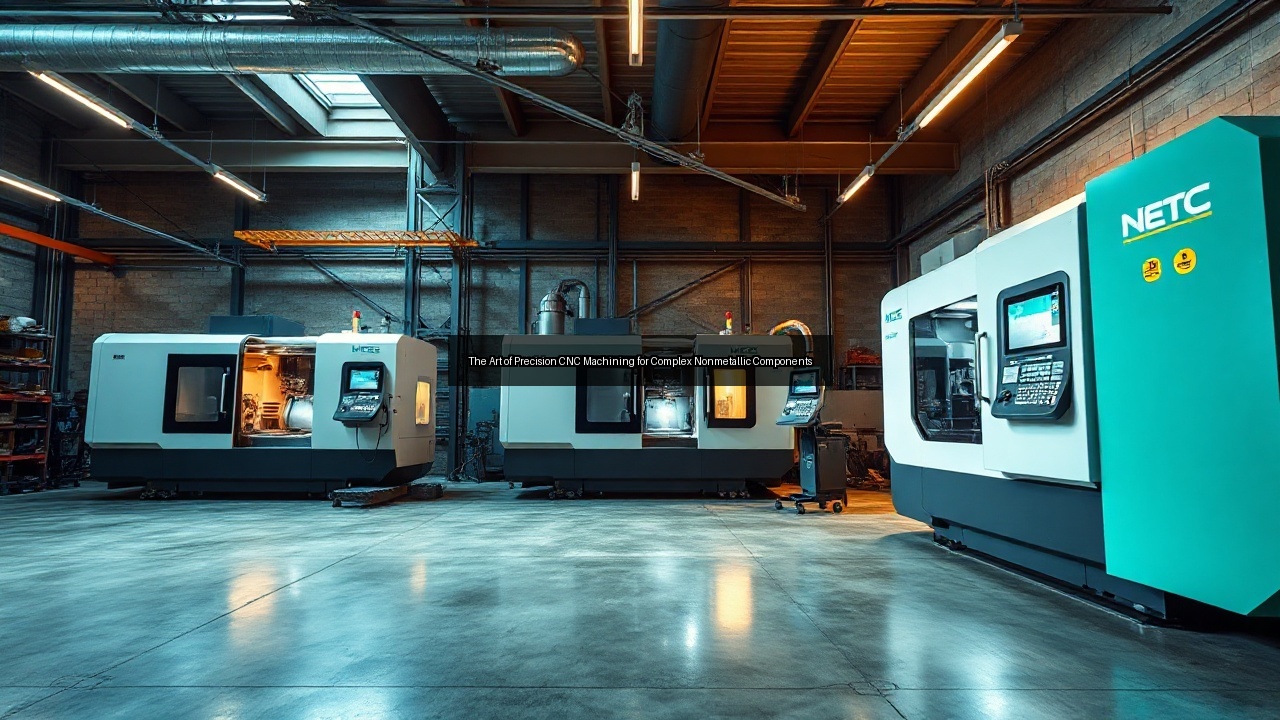
Machining centers play a vital role in CNC plastic fabrication, providing the necessary equipment to execute various machining processes. These centers often feature multiple axes, allowing for complex shapes and multi-dimensional cuts. A CNC mill, for instance, is designed for milling operations, removing material from the surface of a plastic block to achieve desired shapes. Additionally, some machining centers are equipped for both milling and routing, further enhancing their versatility. The choice of machining center significantly influences the efficiency of the production process, making it crucial for manufacturers to select the right equipment based on the specific requirements of each project.
Materials and Innovations in CNC Plastic Machining
Exploring Advanced Polymers: ULTEM, PEEK, and PTFE
Advanced polymers such as ULTEM, PEEK, and PTFE have transformed the landscape of CNC plastic machining. ULTEM, a high-performance thermoplastic, boasts exceptional thermal stability and chemical resistance, making it ideal for aerospace and automotive applications. PEEK (polyether ether ketone) is another innovative material known for its outstanding mechanical properties and resistance to harsh environments. Its ability to withstand high temperatures and aggressive chemicals positions it as a go-to choice for demanding applications. PTFE (polytetrafluoroethylene), commonly known by the brand name Teflon, is renowned for its non-stick properties and low friction, making it suitable for applications in various industries, including food processing and pharmaceuticals.
The Role of Teflon in High-Performance Components
Teflon plays a crucial role in the manufacturing of high-performance components due to its unique properties. Its low friction coefficient reduces wear and tear, making it an excellent choice for moving parts and bearings. CNC machining can effectively shape Teflon into custom components that meet specific application requirements. Industries increasingly utilize Teflon machined parts for seals, gaskets, and insulators because of their ability to withstand extreme temperatures and corrosive substances. This versatility ensures Teflon remains a staple material in high-performance plastic component production, allowing engineers to innovate without compromising on quality or durability.
Comparing Engineering Plastics: Acetal vs. Others
Engineering plastics like acetal, nylon, and polycarbonate each offer unique advantages, making them suitable for different applications. Acetal, known for its excellent machinability and dimensional stability, is often used for gears and bearings. Machining centers can produce acetal components with high precision, enhancing their functional performance in various mechanical systems. While nylon provides good wear resistance and low friction properties, polycarbonate offers superior impact strength. Each material has specific characteristics that dictate its suitability for particular applications, and understanding these differences helps manufacturers choose the right engineering plastics for their custom components.
Precision Techniques for Complex Nonmetallic Components
Routing and Milling: Techniques for Precision Machining
Routing and milling techniques are integral to precision CNC plastic machining. Routing involves using rotating cutting tools to remove material and create complex shapes, while milling utilizes multi-axis movements to achieve detailed features and contours. Both methods allow for high flexibility in design and are capable of producing intricate patterns with consistent accuracy. Skilled machinists employ various tools and techniques to optimize the machining process, ensuring that the final product meets stringent quality standards. The choice between routing and milling often depends on the specific requirements of the project, including the complexity of the design and the type of plastic being used.
Challenges in Machining Complex Nonmetallic Parts
Machining complex nonmetallic parts presents several challenges that require expertise and innovation. Plastics can be sensitive to heat, leading to warping or melting if not handled correctly. Additionally, the variability in material properties among different plastics can complicate the machining process. Achieving tight tolerances becomes particularly challenging when working with intricate geometries. An experienced plastic machining partner understands these challenges and employs strategies to mitigate risks, such as using optimal cutting speeds and coolant systems to manage heat. Overcoming these hurdles is essential for producing high-quality, precision components that meet industry standards.
Custom Plastic Parts: From Design to Production
The journey from design to production of custom plastic parts involves several critical steps. First, engineers create detailed CAD models that outline the specifications and dimensions of the intended component. Once the design is finalized, CNC programming translates these models into machine-readable instructions. Following this, the selected machining centers execute the fabrication process, utilizing routing and milling techniques to shape the plastic accurately. Quality control checks are integral throughout the process, ensuring that each part meets required tolerances and performance criteria. This comprehensive approach guarantees that custom plastic parts are built to specification, providing clients with reliable and functional solutions.
Choosing the Right CNC Plastic Machining Manufacturer
Identifying Specialists in High-Performance Plastic Components
Selecting a CNC plastic machining manufacturer specializing in high-performance plastic components is essential for achieving optimal results. Look for manufacturers with a proven track record in machining advanced polymers like ULTEM and PEEK. These specialists possess the expertise and equipment necessary to handle the complexities associated with these materials, delivering components that meet stringent performance standards. Additionally, they should demonstrate a commitment to quality and innovation, continuously adapting to new technologies and methodologies to enhance their machining processes.
Evaluating Experience in Machining Challenging Plastics
Experience in machining challenging plastics is a critical factor when choosing a CNC plastic machining manufacturer. Companies that have successfully produced custom parts from difficult-to-machine materials, like Teflon and acetal, have likely developed effective strategies to overcome common challenges. Evaluate their portfolio to assess the complexity precision components made from advanced polymers of past projects and the quality of the finished products. Engaging with manufacturers who have a history of solving problems associated with various plastics ensures a smoother production process and ultimately leads to superior components.
The Importance of an Experienced Machining Partner
Partnering with an experienced CNC plastic machining manufacturer brings significant advantages. Skilled machinists understand the nuances of machining different types of plastics and can recommend the best approaches for specific projects. Their expertise minimizes the risk of errors, reduces production time, and enhances the overall quality of the components produced. When manufacturers invest in building relationships with experienced partners, they gain access to valuable insights and innovations that can drive efficiency and effectiveness in their production processes. This collaboration ultimately leads to the creation custom parts machined from engineering plastics of high-performance plastic components that meet or exceed client expectations.