Understanding the Different Types of Oil Storage Solutions
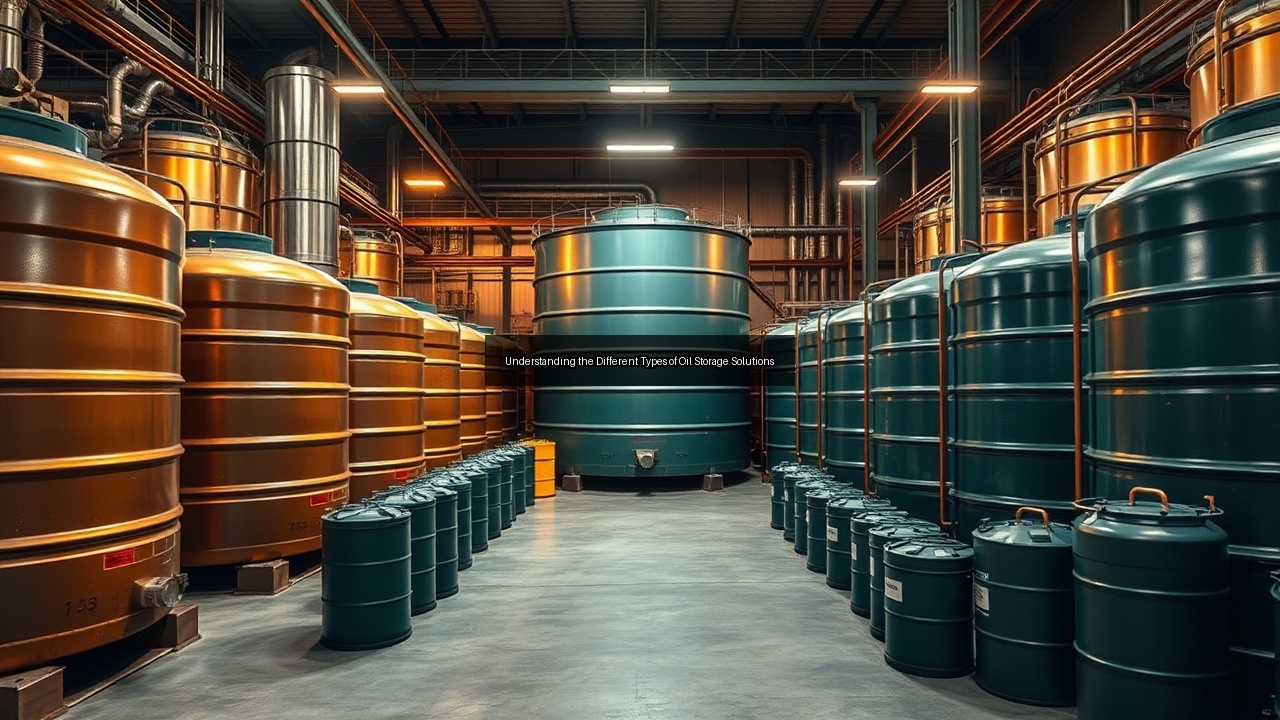
Types of Oil Storage Containers
Overview of Oil Storage Solutions
Oil storage containers come in various forms, each designed to meet specific needs in both residential and industrial settings. These solutions range from small plastic containers to large, robust oil tanks that can store thousands of gallons of liquid. Understanding the types of oil storage available is crucial for ensuring safe handling and compliance with environmental regulations. Proper storage solutions help prevent leaks, spills, and contamination, which can have severe consequences for both the environment and human health. Selecting the right oil storage containers not only enhances efficiency but also ensures that operations adhere to safety standards.
Plastic Containers vs. Metal Tanks
When choosing oil storage containers, one must weigh the advantages and disadvantages of plastic containers compared to metal tanks. Plastic containers are lightweight and resistant to corrosion, making them ideal for smaller quantities of oil or lubricants. They are often used for residential heating oil or as auxiliary storage options. However, plastic containers may not withstand extreme temperatures and can be prone to cracking over time. Metal tanks, on the other hand, provide durability and can hold larger volumes of oil, making them suitable for commercial applications. These tanks are generally more robust against environmental factors but require regular maintenance to prevent rust and leaks. Ultimately, the choice between plastic and metal will depend on the specific storage needs, volume requirements, and environmental conditions.
Drums and Their Uses in Oil Storage
Drums serve as a versatile option for oil storage, especially in industrial and manufacturing settings. Typically available in 55-gallon sizes, these containers can efficiently hold various types of oil and lubricants. Drums are particularly useful for transporting oils and can be stacked for space-saving storage. They often come with a variety of fittings and spouts that facilitate pouring and dispensing, making them user-friendly. While drums provide a practical solution for smaller storage needs, they require careful handling to avoid spills and contamination. Properly labeled and stored drums can contribute to organized oil and gas storage systems, streamlining operations while ensuring compliance with safety regulations.
Features of Effective Oil Storage Tanks
Gravity Feed Mechanism
Gravity feed mechanisms play a significant role in the design of effective oil storage tanks. This system allows oil to flow naturally from the tank to the dispensing area without requiring pumps or electrical components. Such a mechanism simplifies the distribution process and reduces potential mechanical failures. Moreover, gravity-fed systems often enhance safety by minimizing the risk of spills associated with mechanical pumps. For those managing oil and gas storage, the gravity feed mechanism ensures a steady and reliable flow, making it an essential feature for efficient operations.
Capacity Considerations: Gallons, Quarts, and Liters
Capacity is a critical aspect of oil storage tanks. Understanding the volume requirements—whether in gallons, quarts, or liters—helps in selecting the right tank for specific applications. Smaller containers may suffice for personal use or small businesses, while larger oil tanks are necessary for industrial operations that handle high volumes of oil. The tank’s capacity must align with consumption rates, ensuring an adequate supply without the risk of overfilling or running dry. Different regions may have varying regulations regarding tank capacities, making it essential to stay informed for compliance and safety.
Safety and Environmental Regulations
Adhering to safety and environmental regulations is paramount in oil storage. Governments and regulatory bodies outline strict guidelines to prevent leaks, spills, and contamination. Effective oil storage tanks must incorporate features such as secondary containment systems, leak detection measures, and corrosion-resistant materials. Regular inspections ensure that these tanks remain compliant with safety standards. Failure to comply can result in hefty fines and environmental damage. Operators must stay updated on local and federal regulations regarding oil storage to maintain safety and protect the environment. Investing in compliant storage solutions not only safeguards the surroundings but also promotes responsible business practices.
Choosing the Right Oil Storage Solution
Factors to Consider When Selecting a Tank
Choosing the right oil storage solution requires careful consideration of several factors. First, assess the type of oil or lubricants being stored. Different oils may have specific storage requirements in terms of temperature and material compatibility. Next, evaluate the available space for installation. Some oil tanks are designed for tight spaces, while others require more room for access and maintenance. Consider the tank's capacity in relation to your consumption needs, ensuring that it can accommodate your operations without excessive downtime. Additionally, factor in local regulations and safety standards as they dictate the type and size of storage tanks permissible in your area. All these considerations will guide you to a well-suited oil storage container.
Comparing Fixed and Portable Storage Options
Fixed and portable storage options each offer unique advantages, and understanding their differences is vital for effective oil storage. Fixed storage tanks are stationary and generally larger, providing a long-term solution for businesses with consistent oil needs. These tanks can be equipped with advanced features like gravity feed systems and safety measures. Conversely, portable oil storage containers are ideal for temporary storage or applications that require mobility. These solutions allow for easy transport between sites and can be crucial for businesses that operate in multiple locations. Evaluating your specific needs will help determine whether a fixed or portable solution best meets your operational requirements.
Understanding Oil and Gas Storage Needs
Understanding oil and gas storage needs involves analyzing both current and future requirements. Businesses must consider their operational scale, the types of oils being stored, and the frequency of use. Some operations may require bulk storage solutions, while others might benefit from smaller, specialized containers. Additionally, fluctuations in demand can impact storage needs, making it containers for storing oil essential to plan for scalability. Engaging with suppliers to discuss the available options and tailoring storage solutions to fit specific requirements ensures efficiency and compliance in oil and gas storage. A well-planned approach to storage needs maximizes resource use and minimizes waste.
Maintenance and Best Practices for Oil Storage
Regular Inspections and Maintenance
Regular inspections and maintenance are crucial for prolonging the life of oil storage tanks and ensuring safety. Scheduled checks allow for early detection of leaks, corrosion, or structural issues that could lead to serious problems. During inspections, assess the tank's condition, including the integrity of seals and fittings. Implementing a routine maintenance plan helps keep tanks in compliance with regulations and minimizes the risk of contamination. Operators should document maintenance activities and inspections to maintain a clear record of compliance. This proactive approach not only safeguards the environment but also enhances operational efficiency.
Preventing Contamination in Storage Tanks
Preventing contamination in oil storage tanks is essential for preserving the quality of the stored oil. Contaminants can include water, dirt, and microbial growth, all of which can compromise the integrity of the oil and lead to equipment failure. Implementing best practices such as using properly sealed containers, regularly checking for leaks, and employing filtration systems can help maintain clean storage conditions. Additionally, utilizing additives designed to inhibit microbial growth can further protect stored oil. Training staff on proper handling techniques also plays a vital role in preventing contamination during transfers and maintenance.
Proper Lubrication Techniques for Equipment
Proper lubrication techniques are essential for maintaining the efficiency and longevity of equipment that interacts with oil storage tanks. Understanding the right lubricants for specific machinery helps in selecting the appropriate products. Regularly scheduled lubrication of moving parts minimizes friction, reduces wear, and enhances performance. Operators should follow manufacturer guidelines for lubrication intervals and quantities to ensure optimal functioning. Additionally, using high-quality lubricants stored in suitable containers prevents contamination and degradation, contributing to smoother operations. By adhering to proper lubrication techniques, businesses can maximize equipment lifespan and operational efficiency.
See Also
- Understanding the Capacity of Oil Containers in Gallons and Liters
- Choosing Between Plastic and Metal Oil Tanks for Safe Storage Solutions
- How to Optimize Your Oil Storage for Safety and Efficiency
- How to Ensure Safety and Compliance in Your Oil Storage Practices
- Maximizing Space with Compact Oil Storage Solutions